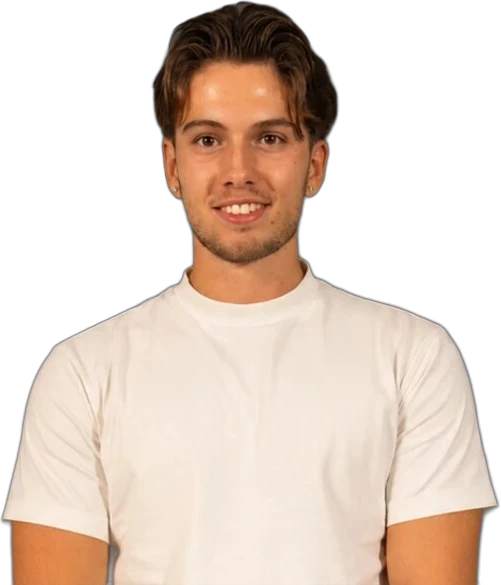
Andrea Miglioranza

Hi,I’m Andrea Miglioranza

I make marketing with AI: websites you scroll like a film, product videos and assistants that sell.

Right now

  • Business student @ H-FARM College
  • Second year, data and AI in business
  • Two new projects a month
Andrea Miglioranza in a white t-shirt, smiling
Exhibit 001Andrea MiglioranzaPortrait, 2026
Welcome to my exhibition.Seven rooms, five works. Scroll to walk in.

what drives me?

AI, the day it comes outI follow what happens in AI every day, and when something new ships I try it straight away, to see what it can really do.

marketing that makes people want thingsThe side I love most: turning a product into something people want, and then want to buy.

films made with AI, or made better by itSome are generated from the first frame to the last. Others start from real footage, and AI helps me polish, extend or finish them.

automations that do the boring partMore and more, I build flows that take care of repetitive work, so the time goes into the ideas.

In this exhibition you’ll find some of my projects: proof of what I can do with all of the above.Walk into the work

What have I made?

Shipped2026

Extillo Gin

Scroll-film website for an Italian craft gin

One continuous shot, driven by your scroll: from Lake Iseo to the salt pans of Puglia and into the glass, ending on the real bottle and the buy button.

What it took

  • Art direction
  • Image-to-video
  • Scroll engines
  • Claude Code
Concept
Three proposals, stress-tested before choosing one. Palette and tone taken from the bottle label.
Images
Key frames generated in sequence, each from the one before, so light and colour stay consistent.
Film
Six chained image-to-video clips, 25 seconds in 1080p. Every seam measured, not just looked at.
Website
601 frames on canvas, text on cue, purchase section and a mobile version, at 60 fps.
How I made it
6video clips generated and chained
25 sof film, in 1080p
601frames driven by scroll
60 fpsof scrolling, measured

The brief

Extillo is a savoury gin, distilled in a 45-litre still with botanicals from Lake Iseo and salt from the salt pans of Puglia. The site had to make people feel that journey, and lead to a purchase.

The idea: a single shot that starts at the lake, passes through the citrus, enters an orange blossom, turns it into salt crystals and arrives at the glass. The real bottle slides into frame at the end.

The process

  1. Concept and direction

    Three proposals, stress-tested before choosing one. Palette, fonts and tone taken from the bottle label.

  2. Key frames

    Images generated in sequence, each starting from the previous one, to keep light and colour consistent.

  3. Film

    Six chained image-to-video clips: each starts from the real last frame of the one before. Every seam measured, not just looked at.

  4. Website

    Scroll-film page on canvas with 601 frames, text that comes in on cue, a purchase section and a mobile version.

From petal to salt

The hardest passage: a petal fills with crystals and becomes a heap of salt. I built the sequence frame by frame, then handed it to the video model.


Crystal petal with pink veins
The petal
Salt crystals forming on the edge of the petal
Salt on the edge
Petal half covered in salt
Half a petal
The salt-covered petal seen in perspective
Almost all salt
Slab of salt resting on a marble counter
On the counter
The slab of salt rising into a heap
Gaining volume
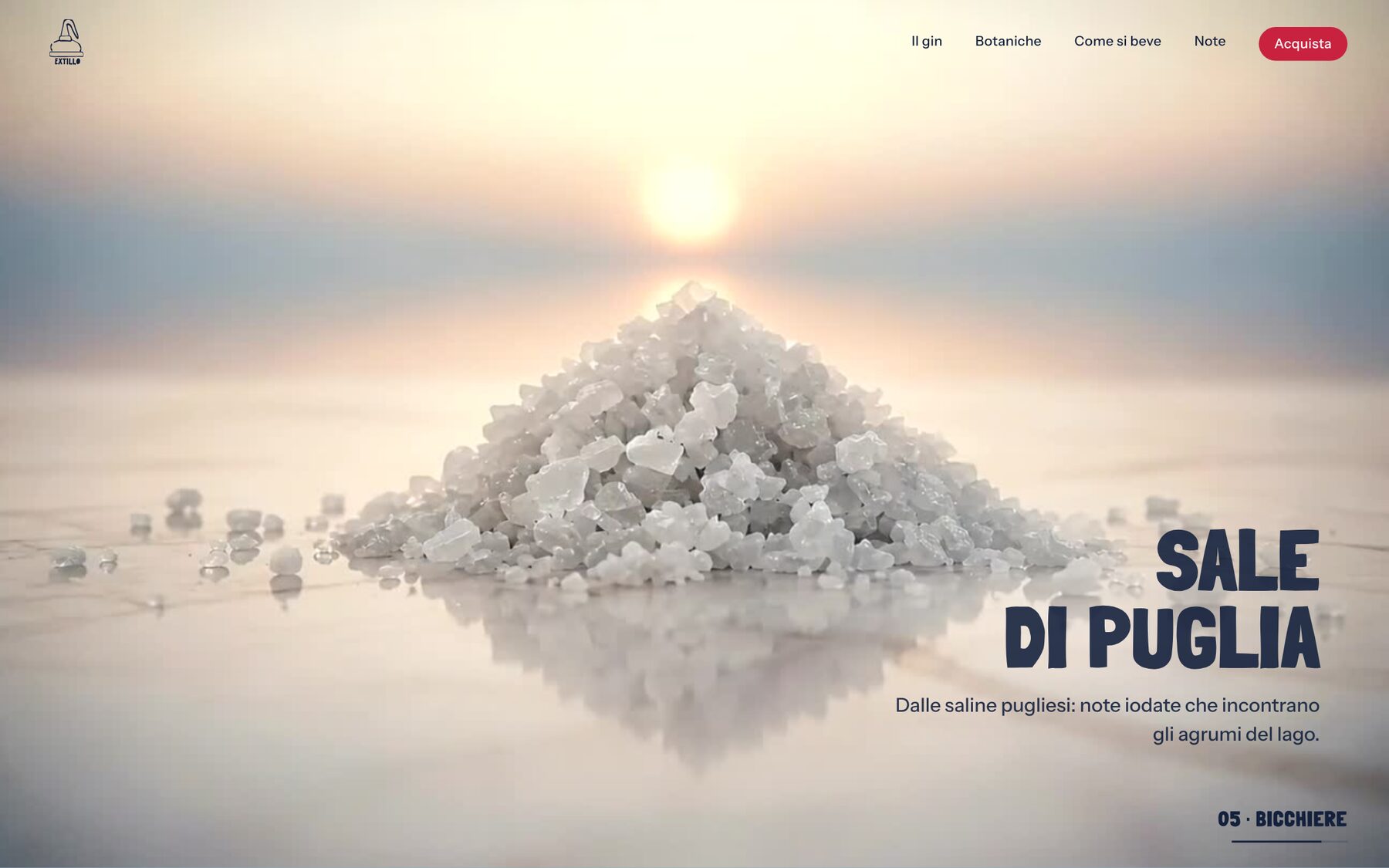
Heap of coarse salt with the sun behind
The heap
In the site: the text Sale di Puglia over the heap of salt
In the site
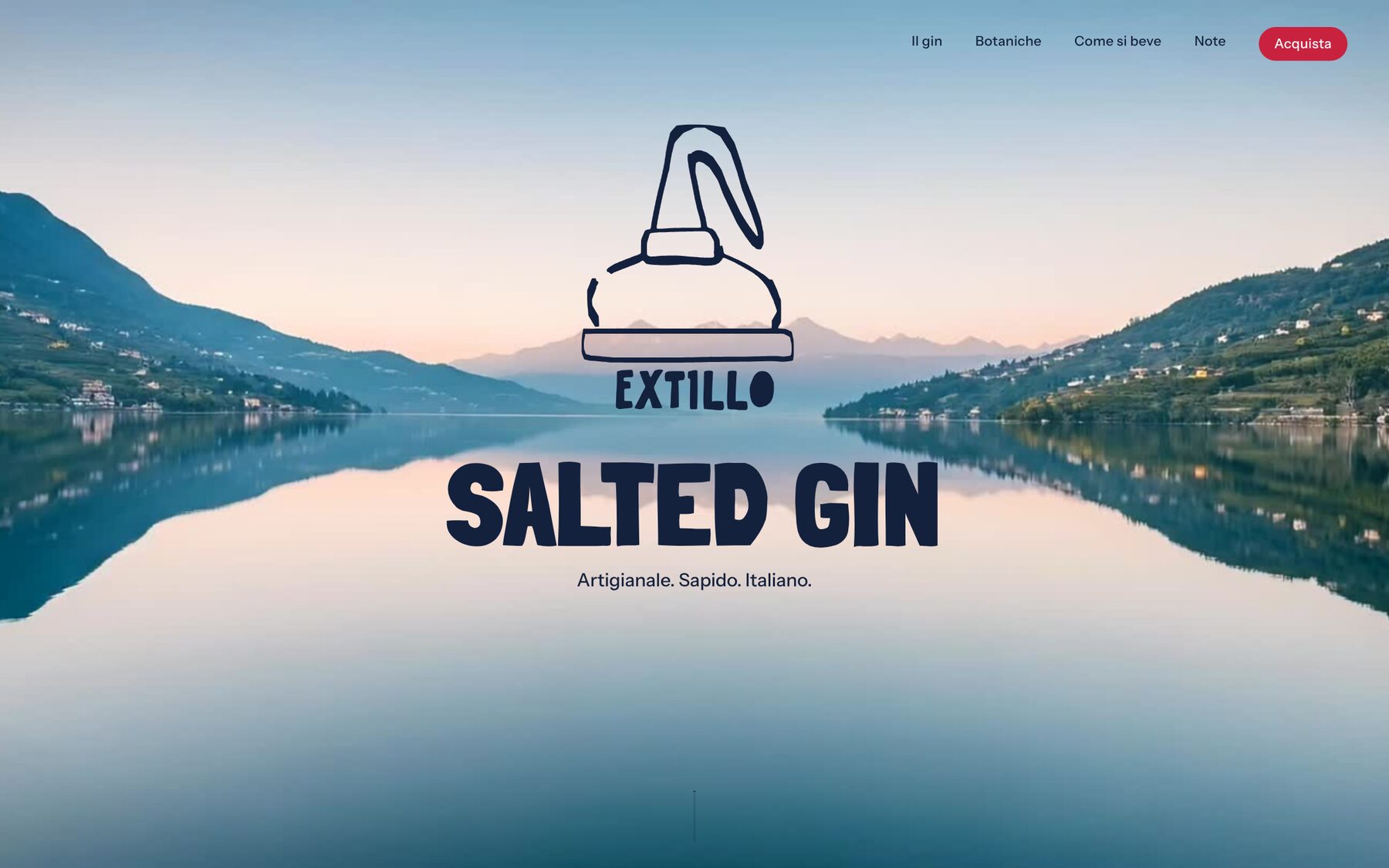
The site opening: Lake Iseo at dawn with the Extillo logo drawing itself
The opening: the logo draws itself over the lake.
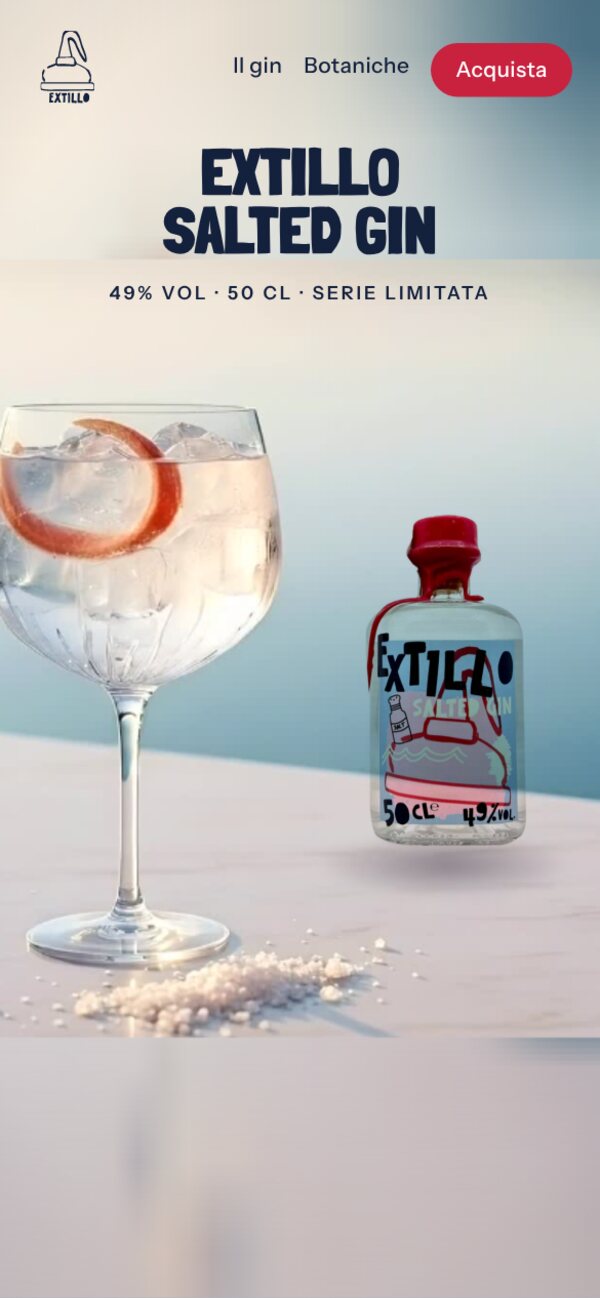
Mobile version of the site finale
Mobile version.

Top 10 teamH-ACK Audi, Co-Design the Future, H-FARM, 2026

Audi Match

What if choosing a car were as easy as a swipe?

Try it, it takes a minute. When it asks for an email, type anything that looks like one, for example ciao@ciao.com. It’s a demo: you won’t receive anything. Then eight swipes and a few quick choices, and you get your match.

Our answer to Audi’s Brief 3, make the choice simple. Young buyers aren’t afraid to spend, they’re afraid of regretting the choice. So no long forms and no spec sheets: eight everyday scenes, right if it’s you, left if it isn’t. With my team we were selected among the 10 best teams and pitched it to the jury.

What it took

  • Teamwork
  • Product concept
  • AI prototyping
  • Pitching
The swipe
Eight scenes of everyday life, one at a time: city, travel, adventure, family.
The numbers
Monthly budget, kilometres, payment, new or used, and the features that matter.
The match
The most compatible Audis, petrol to electric on equal terms, with an estimated monthly cost.
The dealer
Receives everything collected, ready to prepare a personal offer.
How we made it
Top 10teams of the hackathon, chosen to pitch
8life scenes to swipe instead of a form
4actions from the Match Card, from test drive to configurator
1working prototype, built during the hackathon

The brief

H-ACK, the Audi and H-FARM hackathon. Our team (Team 24) took Brief 3: make choosing an Audi simple. We were selected among the 10 best teams and presented the project to a jury made up of Massimo Faraò, Dindo Capello, Andy Varallo, Chapeau and Riccardo Donadon.

The idea: start from the most Gen Z gesture there is, the swipe, and turn it into a new way of choosing a car. My part was putting my AI skills to work, so that together we could turn the idea into a concrete, working prototype.

How it works

  1. Start

    The visitor enters an email and picks their dealer.

  2. Swipe and numbers

    Eight scenes, then budget, kilometres, payment, new or used and wished-for features.

  3. The match

    The site suggests the most compatible cars, with an estimate of the monthly cost.

  4. From swipe to sale

    From the Match Card: book a test drive, contact a consultant, open the configurator or explore approved used cars. The dealer gets a brief to prepare the offer.

For your brandTwo invented brands, to show what I can make for yours, 2026

Your product, in motion

POP Energy and MIXCRAFT don’t exist. I invented them, at opposite ends of the market, to show what I can do for a real brand: turn its product into an animation people want to watch, and then buy.

POP
ENERGY

Turn it up.

“Loud on the outside. Colder on the inside.”

  • Loud
  • Playful
  • Ice cold

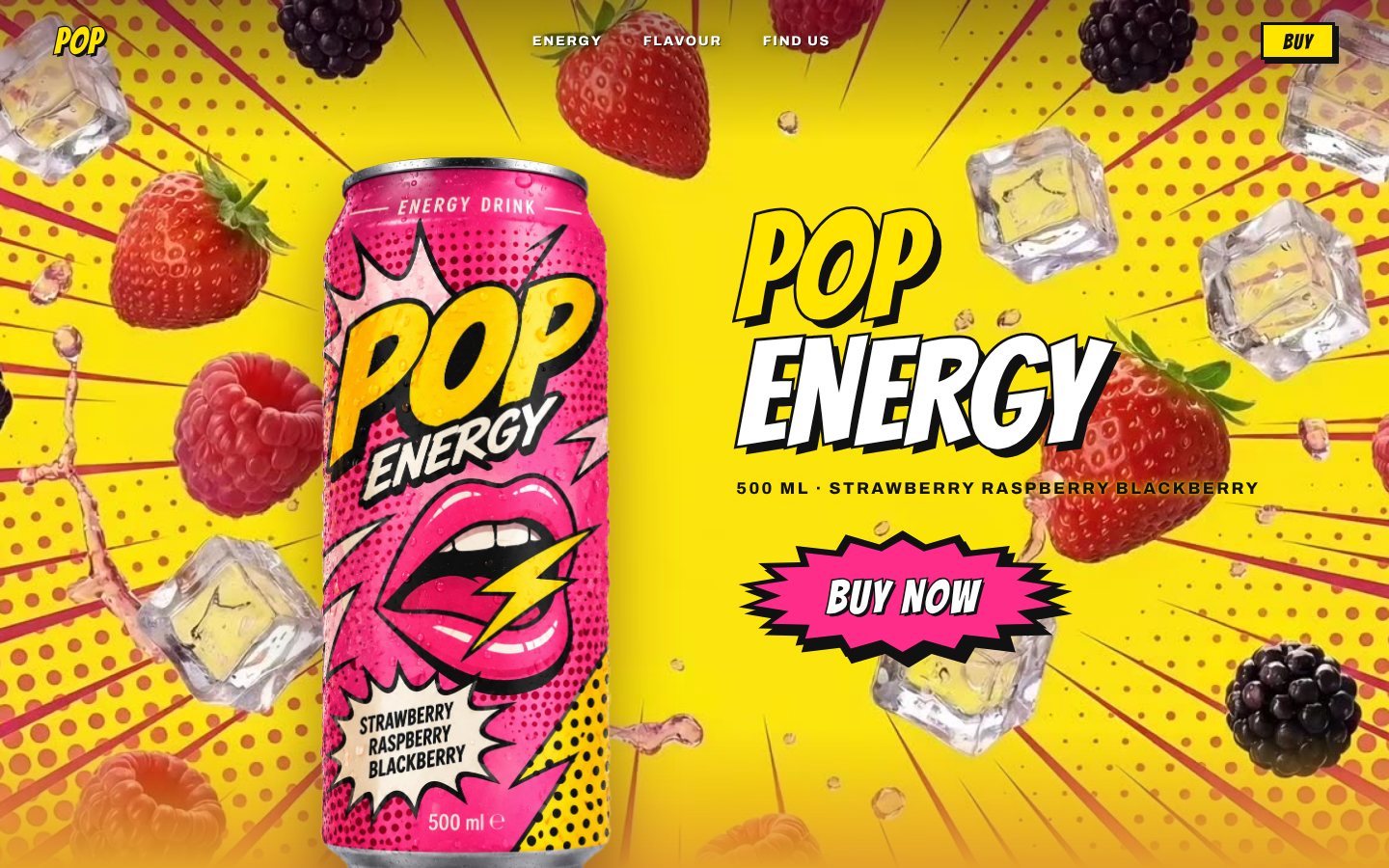
A berry energy drink in a 500 ml pop-art can: strawberry, raspberry, blackberry.

  • #FF2D8A
  • #FFE500
  • #111111

One shouts, one whispers.

MIXCRAFT

Craft it.

“Five tools, one black box.”

  • Quiet
  • Crafted
  • Premium

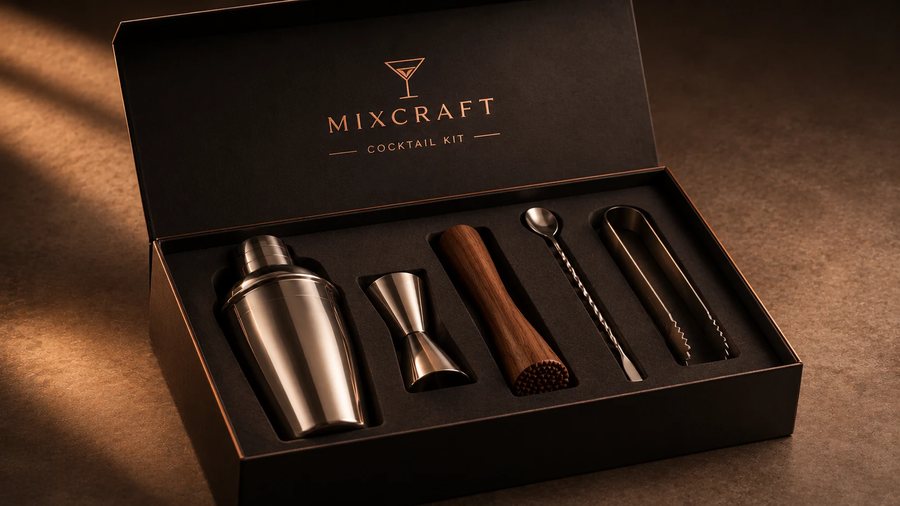
A home cocktail kit: shaker, jigger, muddler, bar spoon and tongs, in steel and walnut.

  • #D08A5A
  • #F3E9DC
  • #0D0907

Two opposite brands, two animations. Scroll inside to play them, then picture your product here:

Loud or quiet, playful or premium: whatever your brand sounds like, I can make your product move in its voice. These two are the proof, built from nothing, name, voice and look included.

What it took

  • Branding
  • Positioning
  • Tone of voice
  • Product animation
What you get
A cinematic animation of your product that plays as people scroll, and ends on your buy button.
In your voice
Loud like POP or quiet like MIXCRAFT: it follows your brand, not a template.
Where it works
On your product page, on your website, or cut into short videos for ads and social.
How we start
You send the product and your brand. I come back with a storyboard before anything is generated.
How I made it
9video clips generated and chained
36 sof film in total, in 1080p
854frames driven by scroll
<50 msslowest frame in the scroll test

The brief

Two invented products, to show the same format works across opposite worlds: POP Energy, a pop-art energy drink can, and MIXCRAFT, a luxury cocktail kit in black and copper. Each needed a site that makes people want to buy.

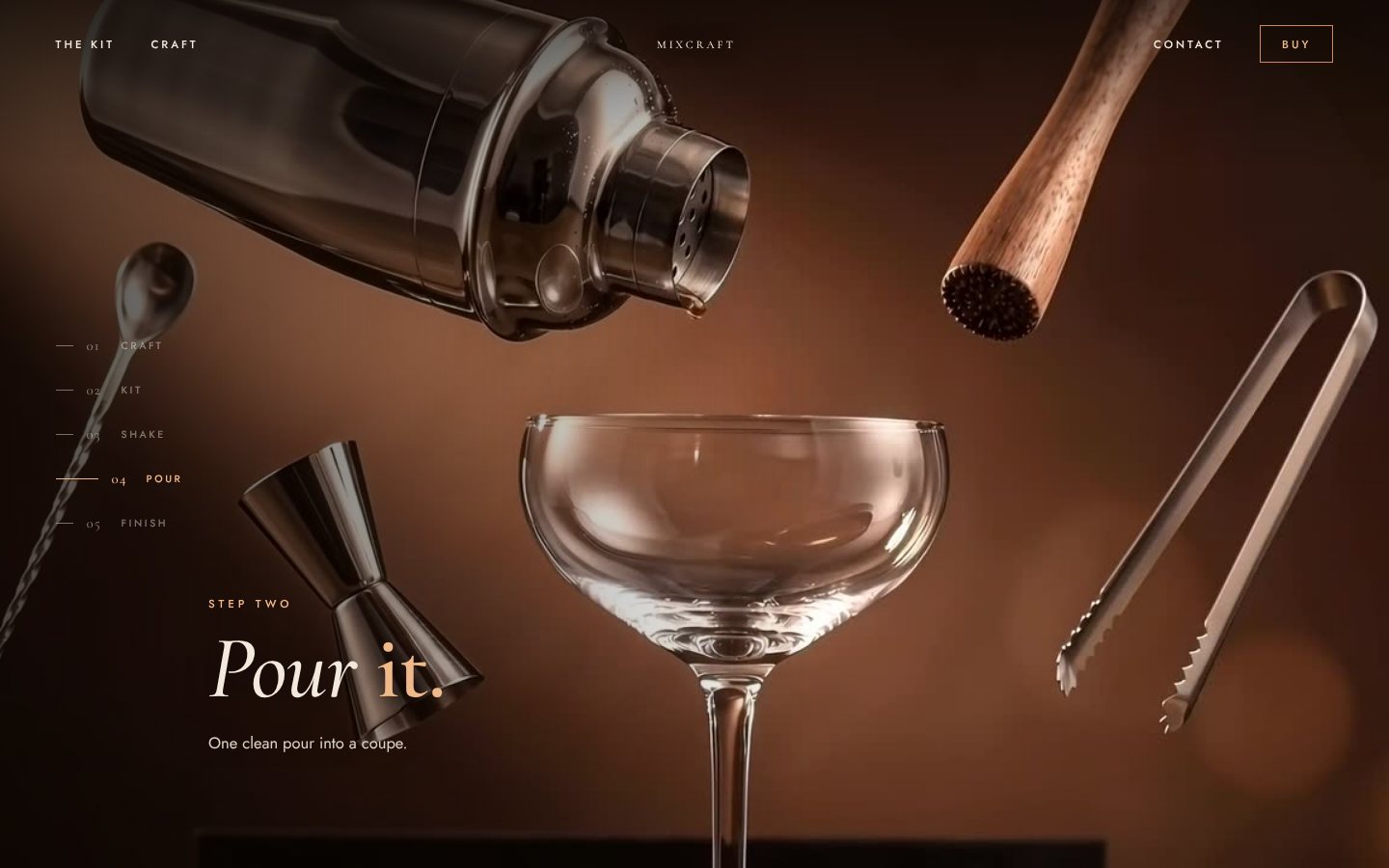
The idea: for POP the camera rises along the can up to an explosion of fruit and ice, then the real can arrives with the buy button. For MIXCRAFT the box opens, the tools float and make a cocktail: shake, pour, a twist of orange to close the gesture.

The process

  1. Concept and storyboard

    One camera move per film: POP rises, MIXCRAFT moves forward. Each storyboard checked before generating, so no credits are spent on the wrong direction.

  2. Key frames

    Five for POP, six for MIXCRAFT, starting from the product images. Corrected one by one: more realistic fruit and ice, no hands in frame.

  3. Film

    Four-second image-to-video clips, chained: each starts from the real last frame of the previous one. Where the camera stopped or backed up at the end of a clip, I cut it.

  4. Website

    Scroll-film pages on canvas, titles that enter one at a time, a slowed pour to enjoy the moment, a finale with the real product and a diagonal-band transition between the two worlds.

From box to cocktail

The moment I wanted people to enjoy: the shaker pours and the tongs set the orange twist. I built the key frames one by one, then handed them to the video model.
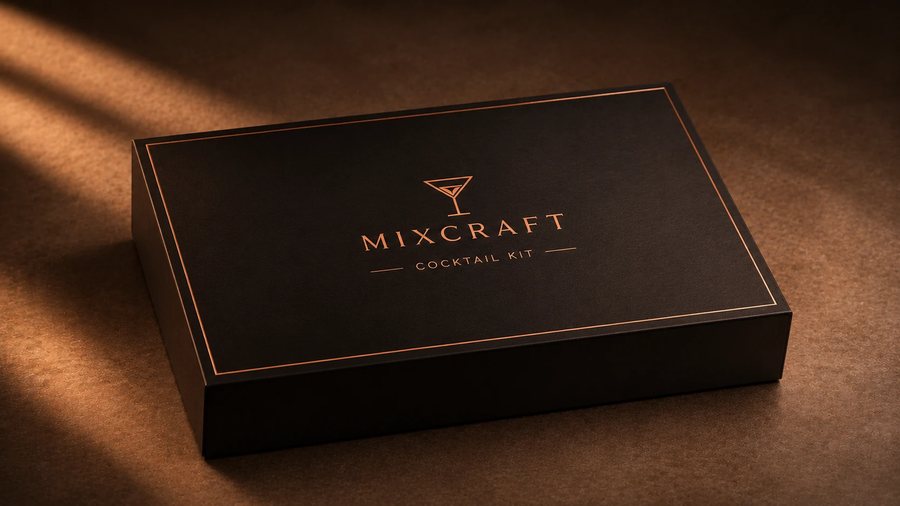
Closed MIXCRAFT box with the copper logo
The closed box
The open box with shaker, jigger, muddler, bar spoon and tongs
It opens
The tools floating in a ring above the box, with an empty coupe glass
Tools in flight
The shaker in motion with the empty coupe below
The shaker
The amber drink poured into the coupe
The pour
The finished cocktail with an orange twist on the rim
The twist
In the POP Energy site: the real can with the Buy now button
In the site: POP
In the MIXCRAFT site: the title Pour it over the pouring moment
In the site: MIXCRAFT

Part 1 of 2A proposal by Miglioranza Studio for Cattelan Italia, 2026

Cattelan Italia

The film: a 22-second pitch for their next printed catalogue

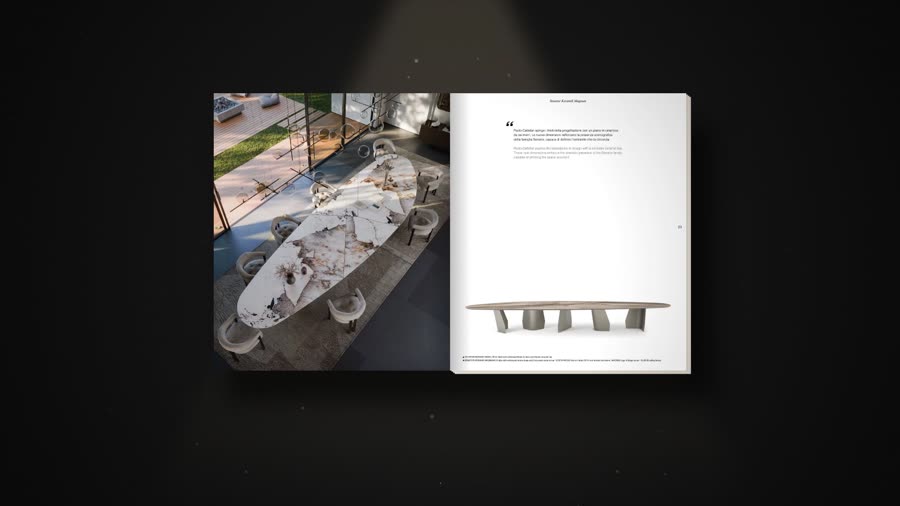
A B2B pitch that offers a design furniture brand its next printed catalogue. Their real 10_2026 Collection falls into a spotlight and turns its own pages, while research on print appears beside it.

What it took

  • Copywriting
  • Motion design
  • Sound design
  • B2B sales
Research
Which sectors catalogues really sell in, and two published studies whose numbers hold up.
Storyboard
Key frames drawn with the same code as the film. Two earlier directions dropped.
Animation
Every frame drawn in code as a function of time, with the catalogue’s own pages turning.
Sound
Page turns, ticks and a warm pulse, synthesised and placed on the exact frame. 660 frames in 1080p.
How I made it
22 sspot, cut to a 96 bpm grid
660frames rendered in 1080p
2published studies behind the numbers
0stock clips: every frame and sound made in code

The brief

A studio that wants to print a furniture brand's next catalogue has to answer one question first: why still print, when everything is online? Furniture is a good place to ask it, because with fashion it is the sector where people receive the most catalogues.

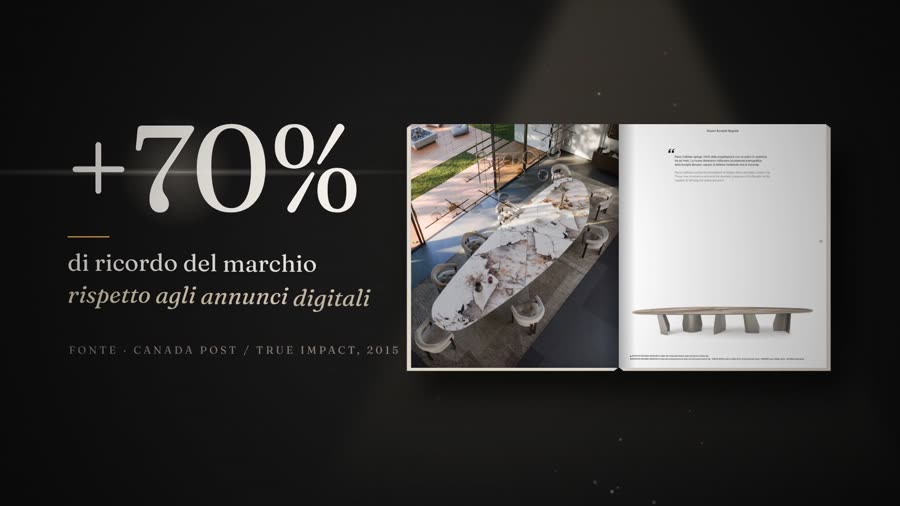
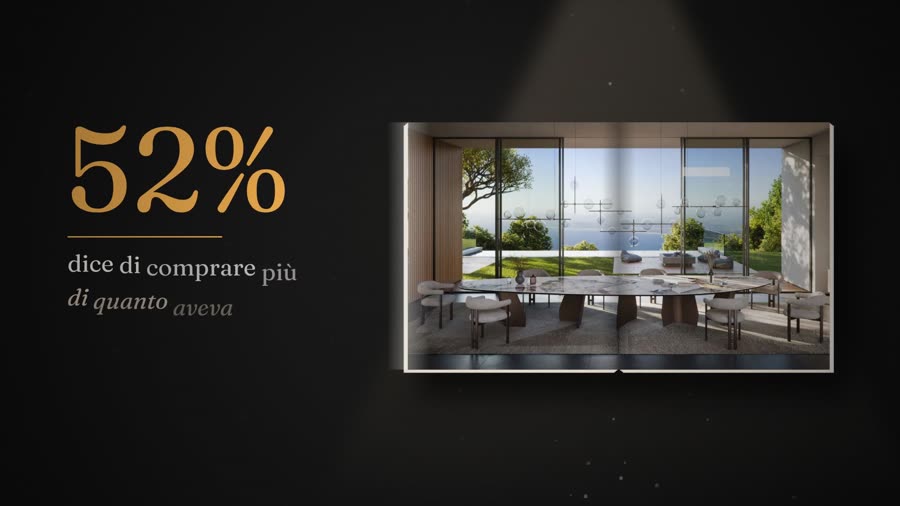
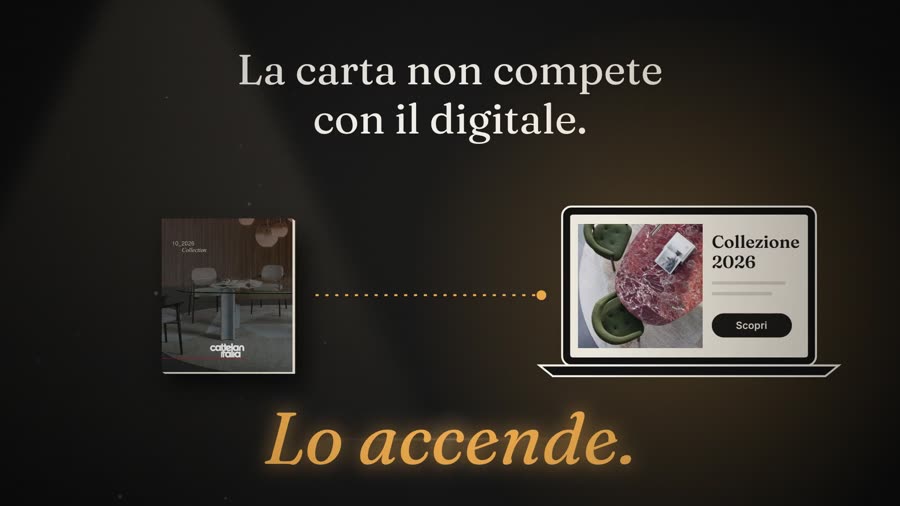
The idea: the brand's own catalogue is the hero. It drops into a spotlight, opens and turns its pages, while two findings appear beside it: physical media gives 70% higher brand recall than digital ads (Canada Post and True Impact, 2015), and 52% of people say they buy more than they planned when shopping from a printed catalogue (Royal Mail MarketReach, 2017). The close: paper does not compete with digital, it switches it on.

The process

  1. Research and story

    Which sectors catalogues really sell in, which numbers hold up, and how to word a survey result so it is not overstated.

  2. Storyboard

    Key frames drawn with the same code as the final film and approved before animating. Two earlier directions were dropped along the way.

  3. Animation

    Every frame is a function of time: page turns, light cone, floating dust, counters. The catalogue's own pages are used as the turning pages.

  4. Sound and export

    Page turns, ticks, hits and a warm pulse, synthesised and placed on the exact frame of each event. Rendered frame by frame to 1080p.

From spotlight to proposal

The catalogue never leaves the stage: the numbers arrive beside it instead of on full-screen cards, and it turns its own page between them.

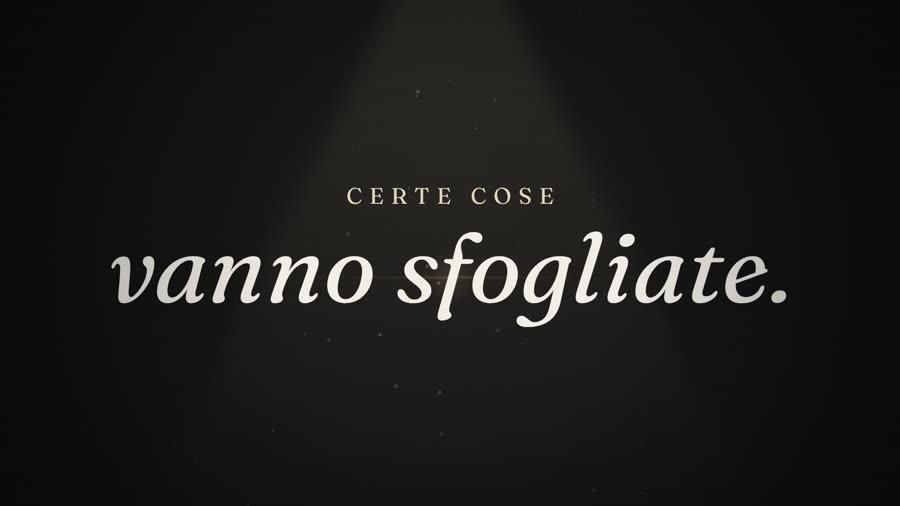
The opening line, Certe cose vanno sfogliate, under a cone of light
The hook
The Cattelan Italia catalogue open on a spread with a marble table
The catalogue opens
Plus seventy percent brand recall, next to the open catalogue
+70% recall
Fifty-two percent, beside the catalogue after it turns to a lake-view dining room
The page turns
A line of light runs from the catalogue to a laptop: Lo accende
Paper switches on digital
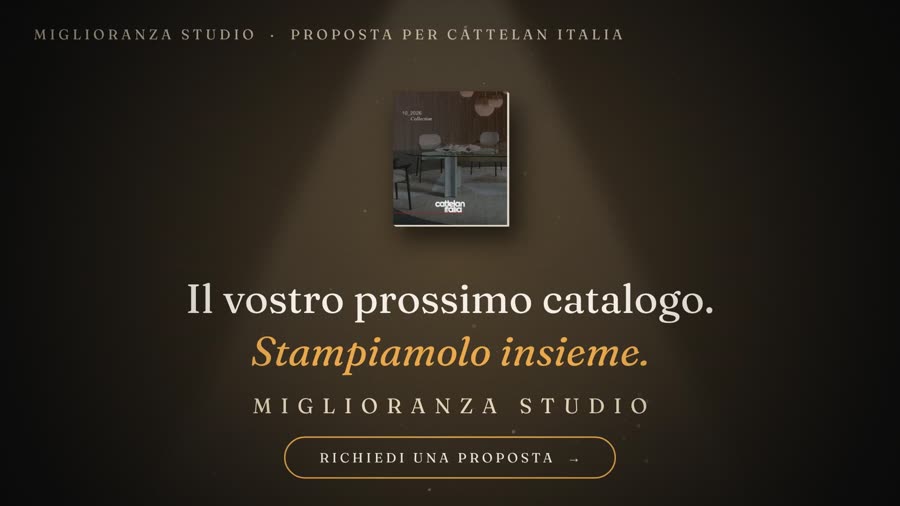
End card: Il vostro prossimo catalogo, stampiamolo insieme, Miglioranza Studio
The proposal

Why there is a part 2

Selling furniture takes two things.

  1. 01
    Make people want it.

    The film sells Cattelan a printed catalogue: the piece that carries the collection into people’s homes and makes them want to buy.

  2. 02
    Help them choose, even far from the showroom.

    Desire raises questions: will it fit eight people, does it come in bronze, where can I see it? Not everyone can walk into a showroom to ask. So, with Cattelan in mind, I also built a chatbot on their catalogue that answers for them, any time, and hands the interested ones to a consultant.

Try the chatbot
Cattelan Italia, part 2 of 2

Help them choose, even far from the showroom.

A chatbot built on the Cattelan catalogue.

Part 2 of 2Demo concept by Miglioranza Studio, 2026

Can a catalogue talk?

The same 10_2026 Collection that turns its pages in the film, now answering the questions a showroom hears every day. It knows all 49 products, suggests the right piece for a room, a colour or a number of guests, and passes interested visitors to a consultant. It speaks Italian, and you can type or just tap the microphone and talk. Try one:

How I made it
1catalogue, the same one in the film
49products turned into data, with sizes and finishes
17categories, from tables to rugs
0servers or AI models: it all runs in the page

The brief

The second half of the proposal. The film makes people want the collection; the chatbot helps them choose it when nobody from the showroom is there. A furniture showroom gets the same questions every day: what fits eight people, which finishes a table comes in, where to see it. The assistant answers them from the brand’s own catalogue and hands the visitor to a consultant with name, contact and city.

The idea: no AI model and no server, so it is fast, free to run and answers only from the catalogue. When the catalogue has no answer, it says so and offers a consultant.

The process

  1. Catalogue to data

    49 products with sizes, finishes and designers, checked against the catalogue drawings.

  2. Understanding

    Category, room, colour, material, guests, small typos. A new request starts from zero; a refinement keeps the context.

  3. Answers with a reason

    Every suggestion says why it fits. Missing data is said plainly, never invented.

  4. Leads and testing

    A contact form inside the chat, and a set of real visitor questions run again after every change.

How did I get here?

  1. H-FARM International School

    International Baccalaureate, specialising in Business Management & Economics.

    Business projects, research and teamwork in an international class, where my interest in entrepreneurship, strategy and innovation started.

  2. H-FARM College

    Bachelor’s in Business Creation & Entrepreneurship, second year.

    Year one: economics, business maths, finance and accounting, statistics, marketing and management. Year two: big data and AI in business, data-driven decisions, Python, cybersecurity and project management.

    Year 2
  3. This portfolio

    Five works made with AI, and two new ones every month.

    Growing

What do I make it with?

Ideas and code

Concept, copy, research and every line of the sites.

  • Claude
  • Claude Code
  • ChatGPT

Images

Key frames and product shots.

  • Nano Banana
  • Nano Banana Pro

Film

Image-to-video, ads and the final cut.

  • Seedance 2.0
  • Higgsfield
  • FFmpeg

Sound

Synthesised in code, or licensed.

  • Web Audio
  • Artlist

Web

Scroll engines, animation, interfaces.

  • HTML
  • CSS
  • JavaScript
  • Canvas

Method

How the work gets planned and shipped.

  • Agile Project Management
  • Storyboards
  • Automatic tests

Andrea, in three lines

  1. 01Business student who builds with AI.
  2. 02Websites, films and assistants that sell.
  3. 03Two new projects, every month.

Take a card on your way out

Move around it. Click to turn it over.

Working on a brand, a launch or a product page? I’m always up for a chat.

Questo sito è anche in italiano.Passa all’italiano